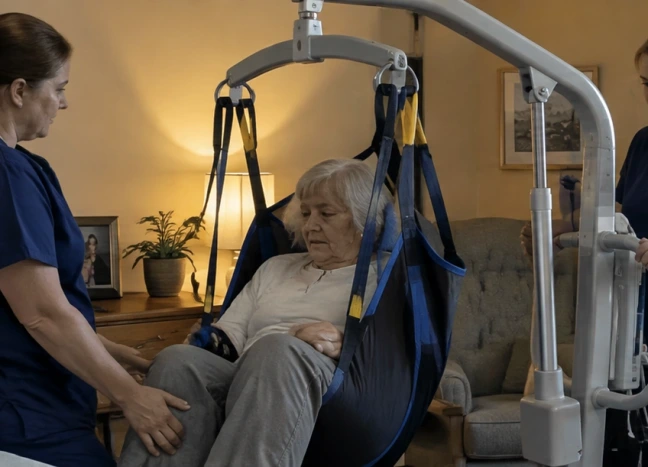

Assisted living is designed for older adults who need housing, supervision, personal care, medication assistance, and help with daily activities, but who do not necessarily need the level of round-the-clock skilled nursing provided in a nursing facility. In California, many assisted living communities are licensed as Residential Care Facilities for the Elderly, commonly called RCFEs.
That distinction matters. An RCFE may be a good fit for a resident who needs help with bathing, dressing, meals, mobility, reminders, or medication assistance. But a resident’s needs can become more complex after a stroke, hospitalization, repeated falls, worsening dementia, serious infection, pressure injury, or another change in health. At some point, the question may no longer be whether the facility is comfortable or familiar. The question becomes whether it can legally and practically provide the care the resident now requires.
California’s RCFE rules address both admission and continued residence. Before admission, a facility must evaluate whether the prospective resident is suitable for the setting. After admission, the facility must keep the resident’s appraisal current, observe for meaningful changes, and operate within rules governing allowable, restricted, and prohibited health conditions. Not every change requires a move, and some residents can remain with outside medical support, home health, hospice, or an approved exception. But a significant change in needs should lead to reassessment rather than simply continuing the same care routine.
Assisted Living and Skilled Nursing Are Different Levels of Care
An RCFE is not a skilled nursing facility. California RCFEs provide care and supervision, meals, safe living accommodations, personal assistance with activities of daily living, medication assistance within regulatory limits, observation of residents, and arrangements to meet health needs. When permitted, licensed outside professionals such as home health providers may also deliver certain medical services.
A skilled nursing facility is structured around a higher level of clinical care. Residents may need licensed nursing services, complex wound treatment, rehabilitation, close medical monitoring, or other services that go beyond what RCFE staff are permitted or equipped to provide.
The line between the two settings is not always obvious to a family. An RCFE may have nurses on staff, advertise “enhanced care,” or coordinate with outside providers. Those services can expand what the facility is able to support, but they do not erase the limits of the RCFE license.
The Facility Should Assess the Resident Before Admission
California regulations require an RCFE to complete a pre-admission appraisal before accepting a resident. The prospective resident and responsible person, if any, are interviewed, and the facility is expected to consider the person’s service needs, medical background, functional limitations, mental condition, and other factors relevant to placement.
The facility must also obtain documentation of a recent medical assessment before acceptance. Under the current regulation, the assessment must be signed by a licensed medical professional acting within the scope of practice and must have been completed within the preceding year. It can identify diagnoses, physical limitations, cognitive or behavioral concerns, and health conditions that may affect whether the RCFE can safely meet the resident’s needs.
The point of the admission process is not simply to complete paperwork. It is to determine whether the facility’s program, staffing, physical setting, and permitted services are reasonably suited to that particular resident.
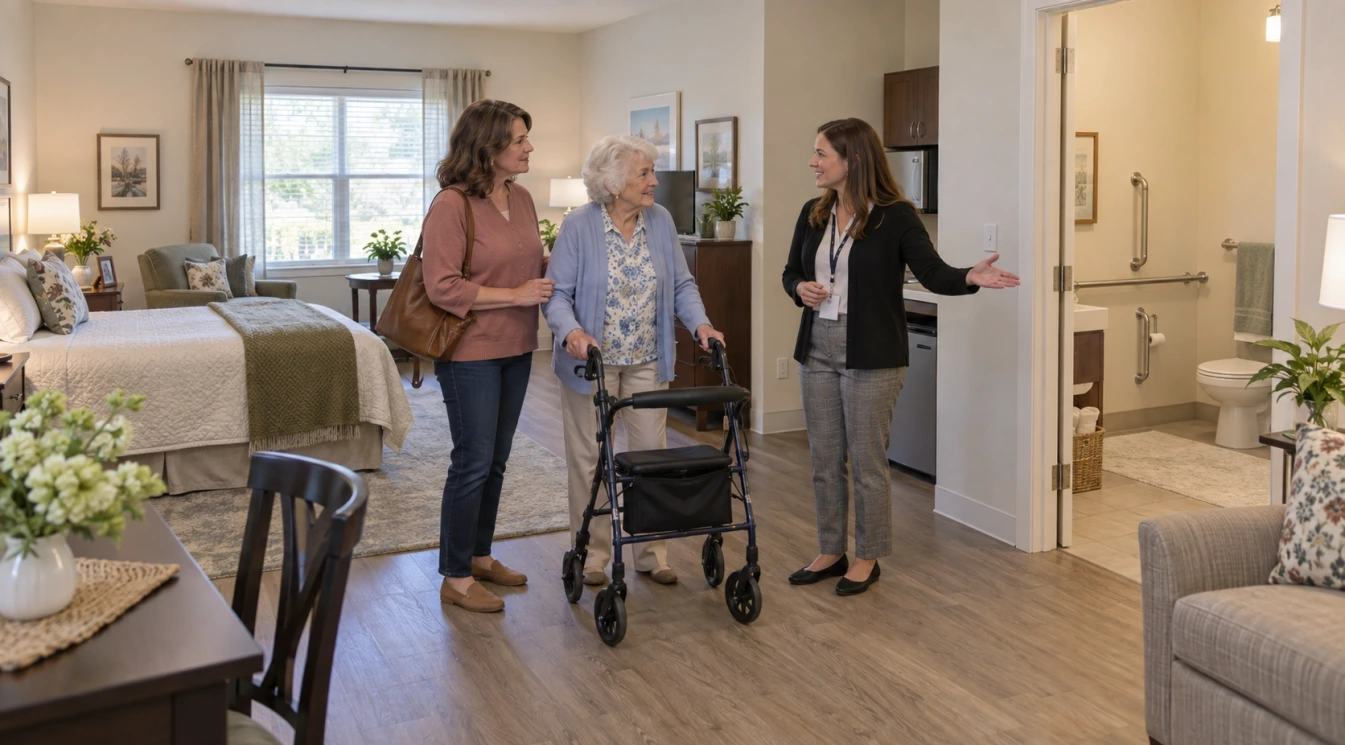
What If the Resident Needs More Than the Facility Normally Provides?
If an appraisal identifies an individual service need that is not being met by the facility’s general program, California regulations call for advice from an appropriate professional, such as a physician, social worker, or other consultant, to determine whether the facility can meet that need.
In practical terms, an RCFE may need to answer questions such as:
- Does the resident need more assistance with bathing, dressing, eating, toileting, or transfers?
- Can the resident safely use the facility’s current staffing and supervision model?
- Does the resident now require a health service that must be performed by a licensed professional?
- Can home health or another outside provider safely supply the needed medical service?
- Does the resident have a restricted or prohibited health condition under California RCFE rules?
- Is specialized staff training required for the resident’s condition?
- Has the resident’s dementia, mobility, behavior, or fall risk changed enough to require a new care approach?
The answer may be that the resident can remain with additional services or a revised plan. In other situations, the facility may no longer be an appropriate level of care.
Resident Needs Can Change After Admission
A resident who was appropriate for assisted living six months ago may not have the same needs today. California regulations require the pre-admission appraisal to be updated in writing as often as necessary or at least once every 12 months, whichever occurs first. The reappraisal must document significant changes in the resident’s physical, mental, cognitive, behavioral, or functional condition.
Facilities are also required to observe residents regularly for changes in physical, mental, emotional, and social functioning. When staff observe deterioration, unusual weight changes, worsening mental ability, or changes in physical health, the regulations require those changes to be documented and brought to the attention of the resident’s physician and responsible person, if any.
Current RCFE rules go further: when there is a significant change in condition, or at least annually, the facility must share the reappraisal with the resident, the resident’s representative when applicable, and appropriate facility staff. The facility must also evaluate staffing needs to make sure there are enough direct-care staff to support the needs identified in the resident’s current appraisal.
That ongoing process matters because care-level problems often develop gradually. A resident may start needing two-person assistance instead of one-person assistance, stop walking independently, lose the ability to manage toileting, become increasingly confused, or begin experiencing repeated falls. Each change may seem manageable in isolation. Together, they may show that the resident’s care needs have moved beyond what the facility originally planned to provide.
California Distinguishes Restricted and Prohibited Health Conditions
RCFE regulations recognize that some residents can remain in assisted living despite certain health conditions, but the requirements differ depending on the condition.
Restricted health conditions can include matters such as oxygen use, catheter care, colostomy or ileostomy care, diabetes, injections, incontinence, certain contractures, Stage 1 and Stage 2 pressure injuries, and some wound care. These conditions are not automatically disqualifying, but additional requirements may apply. For example, staff involved in specialized care may need training from a licensed professional, and care may need to be coordinated with outside health providers.
Other conditions are generally prohibited for admission or retention unless an applicable exception or other specific regulatory pathway applies. Current California regulations list examples including Stage 3 and Stage 4 pressure injuries, gastrostomy tubes, nasogastric tubes, certain serious infections, tracheostomies, and residents who depend on others for all activities of daily living.
These categories are one reason families should be cautious about statements such as “we can handle anything” or “your parent never has to move.” Whether a resident can remain depends on the actual condition, the services required, the facility’s license and capabilities, outside providers, and any applicable exception or hospice arrangement.
Outside Medical Care Can Help, but It Does Not Eliminate RCFE Limits
California regulations allow RCFEs to accept or retain some residents who receive medical treatment outside the facility or incidental medical services through a licensed home health agency. That can allow a resident to remain in a familiar assisted living environment while receiving skilled services from outside professionals.
But outside care does not turn the RCFE itself into a skilled nursing facility. California’s rules specifically state that using a home health agency does not expand the scope of care and supervision the RCFE is otherwise required to provide. Facility staff still need to understand which tasks they may perform, which tasks require appropriately licensed professionals, and how the resident’s day-to-day needs will be met between outside visits.
For example, periodic home health visits may address a defined medical service without resolving a separate problem involving round-the-clock supervision, extensive assistance throughout the day, or care that the facility itself is not permitted or equipped to provide.
Hospice and Approved Exceptions Can Change the Analysis
There are important exceptions to the general admission and retention rules. California allows facilities to request certain health-condition exceptions when the facility believes the intent of the regulations can be met through an alternative plan. The request generally requires current medical information and a plan explaining how the resident’s needs will be safely met.
Hospice can also affect what conditions may be managed in an RCFE. Facilities with the required hospice arrangements may retain terminally ill residents with conditions that would otherwise be restricted or prohibited when the condition is specifically addressed in the hospice care plan and other regulatory requirements are satisfied.
These exceptions are significant because the question is not simply whether a diagnosis appears on a regulatory list. The complete circumstances matter, including the resident’s prognosis, outside care, staffing, facility approvals, and the plan actually being followed.
Warning Signs an Assisted Living Facility May Be Exceeding Its Capabilities
Families may have reason to look more closely when the resident’s needs keep increasing but the facility’s response does not meaningfully change. Warning signs can include:
- The resident repeatedly falls but supervision and mobility assistance remain unchanged
- Staff frequently say the resident now needs “too much help” but no formal reassessment occurs
- The resident needs extensive assistance with nearly every activity of daily living
- Family members are repeatedly asked to provide care the facility previously said it would handle
- Outside home health visits are being used to cover needs that exist throughout the day or night
- Caregivers appear unsure which tasks they are permitted to perform
- A serious health condition develops but the facility does not obtain updated medical information
- Repeated hospitalizations occur without a meaningful review of whether assisted living remains appropriate
- The resident’s dementia, behavior, or wandering risk increases beyond the staff’s ability to supervise safely
- The facility resists discussing whether a higher level of care is needed because the resident or family wants to remain
None of those facts alone proves neglect. They can, however, indicate that the resident’s current needs and the facility’s actual capabilities should be compared more carefully.
Why Keeping a Resident at the Wrong Level of Care Can Be Dangerous
A familiar room, staff relationships, and a desire to avoid another move can make remaining in assisted living emotionally appealing. But keeping a resident in a setting that cannot safely meet the resident’s needs can expose the person to preventable harm.
Problems may include missed medication assistance, repeated falls, poor hygiene, inadequate toileting, dehydration, delayed medical attention, worsening wounds, missed behavioral changes, or prolonged periods without needed hands-on help. Some harms occur not because anyone intentionally mistreats the resident, but because the care model is no longer adequate for what the resident now requires.
This kind of mismatch can raise concerns about lack of proper care, particularly when the facility knows the resident’s needs have increased but the services, staffing, or outside support do not change with them.
How an RCFE May Respond When a Resident’s Needs Change
A change in condition can call for a meaningful review rather than an automatic conclusion that the resident must stay or must leave. Depending on the circumstances, the response may involve:
- Updating the resident’s appraisal and service plan
- Obtaining an updated medical assessment
- Notifying the physician and responsible person
- Adding permitted personal-care assistance
- Obtaining home health or another licensed outside service
- Providing condition-specific staff training
- Requesting an appropriate regulatory exception when permitted
- Coordinating hospice services when appropriate
- Evaluating whether another residential setting or skilled nursing level of care is needed
The appropriate response depends on the resident’s condition, the facility’s capabilities, and the applicable RCFE rules. Increasing needs should be reflected in reassessment and care planning rather than handled only through informal workarounds.
Records That Can Help Show Whether the Facility Understood the Resident’s Needs
When a serious injury or decline occurs, records may help establish what the facility knew and how it responded. Useful materials can include:
- Pre-admission appraisal and admission documents
- Medical assessments, including updated assessments
- Reappraisals and service-plan updates
- Documentation of changes in physical, cognitive, behavioral, or functional condition
- Communications with the resident’s physician and responsible person
- Caregiver notes and incident reports
- Home health, hospice, therapy, and hospital records
- Staff training records related to restricted health conditions
- Requests for or approvals of health-condition exceptions
- Staffing schedules and caregiver assignments
- Emails, text messages, and written communications with the family
Other potentially useful information can include photographs, hospital discharge paperwork, and contemporaneous notes about what staff said when the resident’s needs changed. Our article on preserving evidence after suspected elder abuse or neglect discusses additional documentation that may help clarify what happened.
When Unmet Care Needs May Point to Assisted Living or RCFE Neglect
An unfavorable outcome does not automatically mean an assisted living facility accepted or retained a resident improperly. Residents can decline despite appropriate care, and California regulations allow flexibility in some circumstances.
Concerns become more significant when the facility had information showing that the resident needed services beyond what it was providing, yet continued without adequate reassessment, outside support, staff training, an approved exception, or a safer care plan. A pattern of repeated injuries, unmet daily needs, hospital transfers, or ignored changes can raise questions about whether the facility was equipped to care for the resident it chose to retain.
Newman Law Group represents residents and families in matters involving elder neglect, assisted living and RCFE neglect, inadequate supervision, and failures to provide appropriate care. A legal review may examine the resident’s condition, admission and reappraisal records, staffing, outside medical services, facility policies, and whether the RCFE remained an appropriate setting as the resident’s needs changed.
Contact Newman Law Group to discuss a serious assisted living or RCFE care concern, or call 9169320397.
This article provides general legal and care information and is not advice for a particular resident or facility. RCFE admission and retention rules are fact-specific, and exceptions, hospice arrangements, outside health services, and individual care needs can affect whether a resident may safely remain in assisted living.