

Families often choose memory care because a loved one with Alzheimer’s disease or another form of dementia needs more supervision, structure, and help with daily life than a less intensive residential setting can provide. The expectation is not simply that someone will be nearby. Families are relying on the facility to understand dementia, notice meaningful changes, provide appropriate assistance, and respond to distress or behavioral changes in a safe and respectful way.
In California, many memory care communities operate under a Residential Care Facility for the Elderly license. “Memory care” is often a specialized program, service, or secured area within assisted living rather than a separate facility license. Facilities that advertise or promote special dementia care must describe key parts of that program in their plan of operation, including staff training, activities, the physical environment, and procedures for responding to changes in a resident’s condition.
California updated its dementia-care regulations effective January 1, 2025. The changes place greater emphasis on person-centered care, individual needs, behavioral expressions, staff training, and helping residents remain in a familiar setting when their needs can be met safely. For families comparing memory care programs, the practical question is not only what the facility advertises, but how those promises are reflected in daily care.
Not every decline, fall, behavioral episode, or hospitalization means that memory care was negligent. Dementia is progressive, and residents can deteriorate despite appropriate care. The more useful questions are whether staff understood the resident’s needs, whether enough trained caregivers were available, whether changes were recognized, and whether the facility adjusted its care when the resident’s condition changed.
Memory Care Is More Than a Locked Door
Families sometimes associate memory care mainly with a secured unit designed to reduce the risk of residents leaving the building unsafely. Security matters, but California’s dementia-care standards go much further.
Current regulations require dementia-care training to address subjects such as hydration, nutrition, skin care, communication, therapeutic activities, behavioral challenges, the environment, and assistance with activities of daily living. The training must also cover symptoms that can create or aggravate behavioral expressions, including dehydration, urinary tract infections, and swallowing problems.
That matters because a resident who suddenly becomes agitated, withdrawn, fearful, unusually confused, or physically resistant may not simply be experiencing progression of dementia. Pain, infection, dehydration, medication effects, constipation, hunger, fatigue, overstimulation, or another problem may be contributing to the change.
Appropriate dementia care looks for patterns and possible causes instead of treating every difficult behavior as a problem to suppress.
California’s Rules Address “Behavioral Expressions” Directly
California now expressly defines and regulates “behavioral expression,” a term that can include unsafe wandering, elopement, expressions of frustration, disorientation, hallucinations, or lack of hazard awareness or impulse control. The regulations also recognize that these behaviors may be connected to causes such as fear, overstimulation, fatigue, pain, physical discomfort, medication interactions, or illness.
When a facility observes or learns of a behavioral expression that has caused or may cause harm, the reappraisal rules call for documentation of the behavior, possible events or conditions that preceded it when known, and interventions intended to reduce risk. The facility is also directed to use the least restrictive intervention appropriate to the resident’s individual needs.
Examples may include:
- A resident repeatedly trying to leave a room because the person is looking for a familiar family member
- Agitation during bathing because the resident is frightened, cold, in pain, or does not understand what staff are doing
- Calling out repeatedly because of loneliness, discomfort, hunger, or the need to use the bathroom
- Refusing meals because of swallowing difficulty, dental pain, unfamiliar food, or difficulty recognizing what is being served
- Becoming aggressive when rushed during dressing, toileting, or personal care
Not every behavior has an obvious cause, and a facility cannot prevent every difficult episode. But repeated behavior should not automatically be dismissed as “just dementia.” Patterns, triggers, health changes, and the resident’s individual needs may all be relevant to the response.
Staff Training Matters in Dementia Care
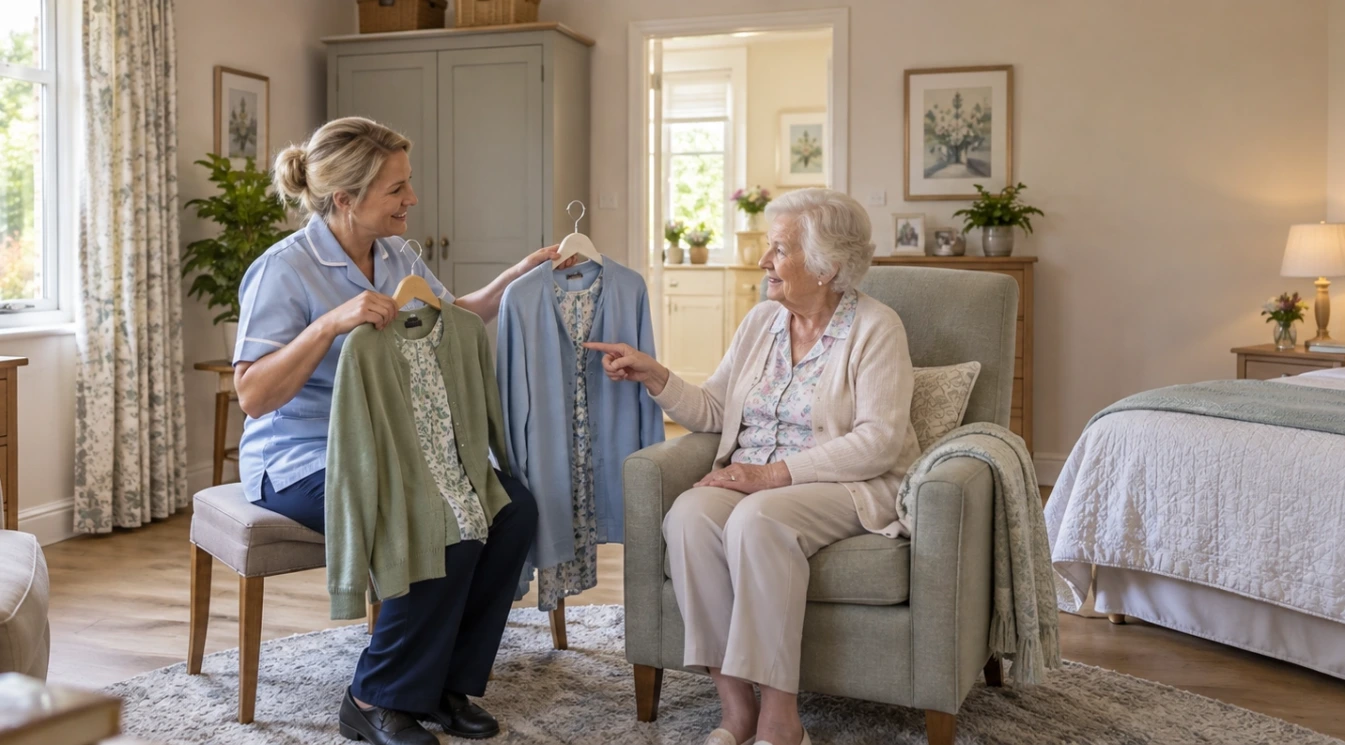
Dementia care requires more than patience. Staff need practical skills for communication, personal care, de-escalation, recognizing health changes, and assisting residents who may not be able to explain what is wrong.
California’s current dementia-care regulation requires training in several core areas, including:
- Hydration and nutrition
- Skin care
- Communication with residents who have dementia
- Therapeutic and meaningful activities
- Behavioral challenges and possible causes
- The physical environment
- Assistance with activities of daily living
- Medical conditions that may create or worsen behavioral expressions
- Effects of medications commonly used to reduce behavioral expressions
Facilities that specifically advertise dementia special care have additional program requirements. Their plan of operation must address the services offered, staff training, activities, the physical environment, procedures for changes in condition, and circumstances that may require relocation. The facility must also make a description of its dementia program and services available to the public upon request.
That makes the facility’s own description of its memory care program a useful point of comparison with the care actually being delivered.
Supervision Should Match the Individual Resident
People with dementia do not all need the same level of supervision. One resident may walk independently and participate safely in activities, while another may need close observation because of falls, poor judgment, unsafe eating, nighttime activity, or an inability to recognize hazards.
California’s rules require facilities to consider the resident’s needs through the admission appraisal, reappraisal, and ongoing observation. For facilities with fewer than 16 residents, the current dementia regulation specifically requires at least one night staff person awake and on duty when a resident with dementia has been determined to need awake night supervision.
More broadly, California requires an adequate number of direct-care staff to support each resident’s physical, social, emotional, safety, and health-care needs as identified in the resident’s current appraisal. A memory care setting with several residents who need hands-on toileting, meal assistance, redirection, transfer help, or close supervision may therefore require more staff attention than one serving residents who are more independent.
Changes in Condition Should Not Be Dismissed as “Just Dementia”
One of the most important responsibilities in memory care is recognizing when a resident is behaving differently from the person’s usual baseline.
A sudden or meaningful change may include:
- New confusion or unusual sleepiness
- Refusing food or fluids
- New difficulty swallowing
- Sudden aggression or fearfulness
- A sharp decline in walking or balance
- Repeated falls
- New incontinence
- Unexplained weight loss
- Skin breakdown
- New pain behaviors, grimacing, or guarding
- Withdrawal from activities the resident previously enjoyed
Some of these changes may be caused by progression of dementia, but others may reflect infection, dehydration, medication effects, injury, pain, or another treatable condition. California’s current dementia-care rules specifically require staff training on recognizing problems such as dehydration, urinary tract infections, and swallowing difficulties because they can create or aggravate behavioral expressions.
Our article on when an assisted living facility can no longer meet a resident’s care needs explains the broader issue of reassessing residents as their physical and cognitive needs change.
Personal Care Can Become a Major Source of Risk
Dementia often affects the ability to complete ordinary activities such as bathing, dressing, eating, grooming, and toileting. Residents may forget what needs to be done, have difficulty sequencing tasks, resist unfamiliar caregivers, or become frightened by rushed care.
Problems can arise when staff:
- Leave a resident in soiled clothing because the person resists changing
- Rush bathing or dressing in a way that frightens the resident
- Fail to offer toileting frequently enough for a resident who cannot ask reliably
- Do not provide enough assistance during meals
- Ignore dry skin, pressure areas, bruising, or other physical changes
- Allow needed personal care to go undone when the resident becomes distressed or resists assistance
Person-centered care does not mean that every resident will cooperate with every task. It means staff should use approaches appropriate to the resident’s condition, preferences, routines, abilities, and known triggers while still addressing basic care needs.
Nutrition and Hydration Need Active Attention
Residents with dementia may forget to drink, fail to recognize thirst, have difficulty using utensils, lose interest in food, or become distracted during meals. Others develop swallowing problems that require evaluation or changes in how meals are provided.
A tray placed in front of a resident is not necessarily enough if the resident cannot understand what to do with it. Some residents need cueing, encouragement, food that can be handled more easily, adaptive utensils, or direct assistance.
Families may notice warning signs such as repeated untouched meals, dry mouth, dark urine, unexplained weight loss, increasing weakness, or clothing that becomes noticeably loose. These signs can have many causes, but they may justify a closer look at how the facility is monitoring food and fluid intake.
Medication Can Affect Behavior, Alertness, and Fall Risk
Older adults with dementia may be particularly sensitive to medication effects. A new drug or dose change can sometimes contribute to sedation, dizziness, confusion, restlessness, or changes in mobility.
California’s dementia-care rules specifically include training on the effects of medications commonly used to reduce behavioral expressions. That is important because a change in behavior can have many possible causes, including pain, infection, fear, environmental stress, medication effects, or unmet personal-care needs. Medication-related questions should be evaluated in that broader context by appropriate health professionals.
Our recent article on medication errors in California assisted living facilities explains the separate rules governing medication assistance, staff training, PRN medications, storage, and injections.
Meaningful Activities Are Part of Dementia Care
Activity programming is another part of California’s dementia-care framework. Facilities that advertise dementia special care must describe an activity program that includes appropriate opportunities for cognitive or mental stimulation, physical activity, and reminiscence, among other activities suited to residents’ needs.
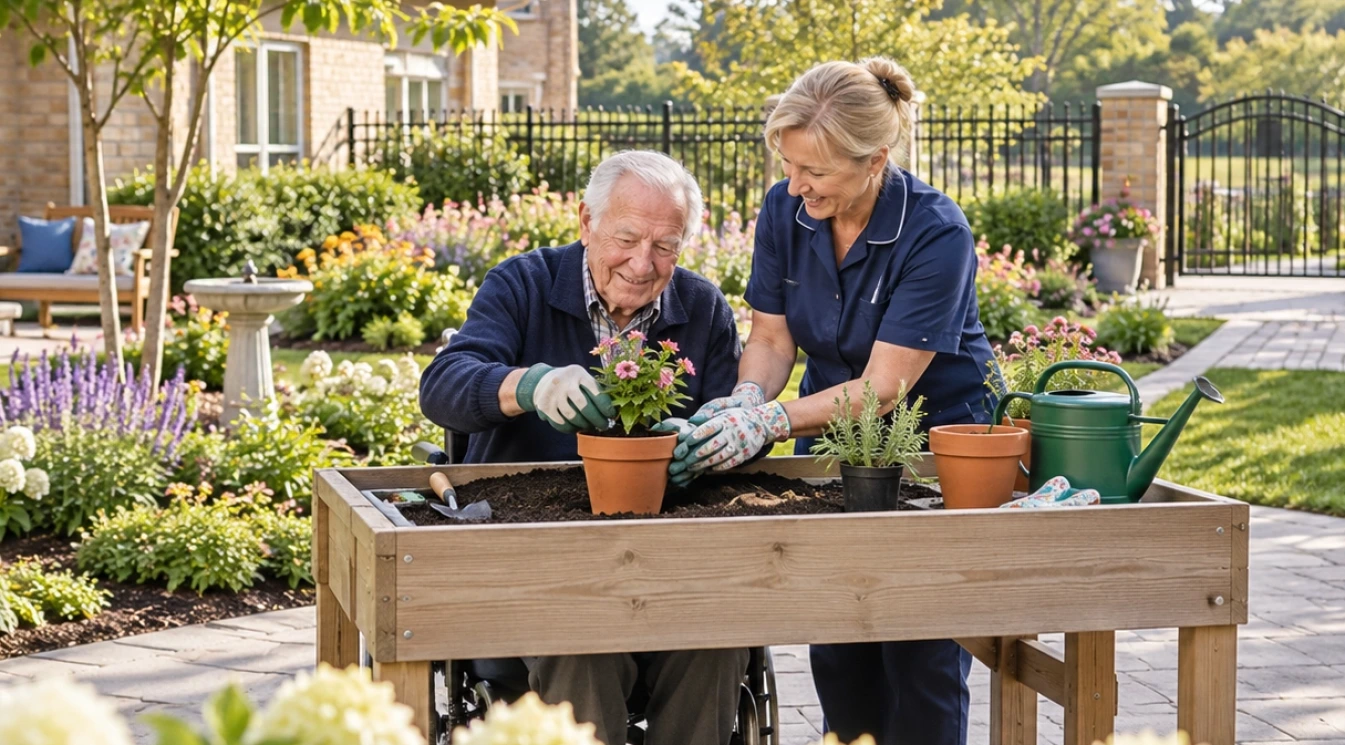
Activities do not have to be complicated. Folding towels, listening to familiar music, gardening, walking, looking through family photographs, simple crafts, supervised cooking tasks, or other familiar routines may provide structure and engagement.
The value is not only recreational. Appropriate activities can provide structure, support mobility and engagement, and give staff additional opportunities to notice changes in mood, strength, coordination, communication, or participation.
The Physical Environment Should Support Safety Without Unnecessary Restriction
Memory care environments often use secured doors, delayed-egress systems, enclosed courtyards, signs, lighting, visual contrast, handrails, and other features intended to help residents move through the setting safely.
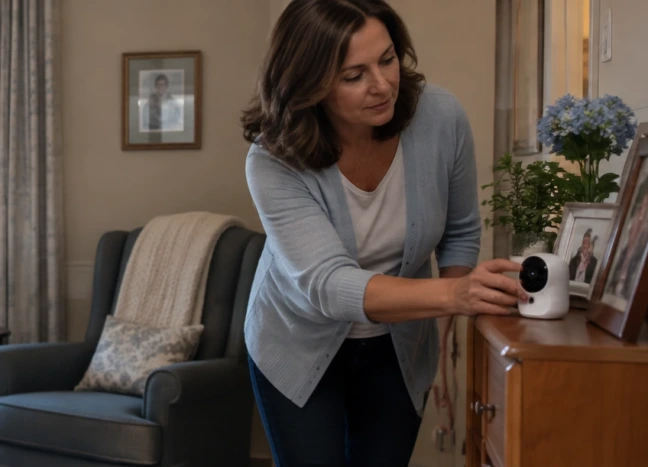
California permits certain egress-alert and location-tracking devices with prior written approval from the resident or conservator, provided the devices do not violate resident rights. Current regulations also require an auditory device or other staff-alert feature on accessible exterior doors and perimeter gates for residents who may be at risk of leaving the facility unsafely.
Those protections should support supervision rather than replace it. An alarm can tell staff that a door has opened, but it cannot determine why a resident is trying to leave, whether the resident is frightened, or whether staffing levels are adequate to respond promptly.
For residents at risk of elopement or unsafe wandering, environmental safeguards are only one part of the picture. Supervision, staffing, communication, reappraisal, and individualized interventions still matter.
Family Communication Can Reveal Patterns Staff May Miss
Family members often know the resident’s history, routines, fears, preferred foods, former occupation, sleep habits, and communication style. That information can be useful when staff are trying to understand a behavior or sudden change.
A daughter may know that her mother becomes anxious when rushed in the morning. A son may recognize that his father repeatedly asks to “go to work” at the same time each afternoon because that was his routine for decades. Those details can help staff respond in a way that is more familiar and less confrontational.
Communication also matters when the resident’s condition changes. Repeated falls, weight loss, new aggression, hospital visits, declining mobility, swallowing difficulty, or increasing assistance needs may signal that the care plan and appraisal need to be revisited.
Warning Signs of Possible Memory Care Neglect
No single observation proves neglect, but patterns can be significant. Families may have reason to ask more questions when they notice:
- Residents repeatedly left unattended despite known safety risks
- Frequent unexplained bruises or falls
- Persistent urine or fecal odors, dirty clothing, or poor hygiene
- Repeated dehydration, weight loss, or untouched meals
- Staff routinely describing distress or resistance as “just dementia” without further assessment
- New or unusually pronounced sedation or behavior changes after medication changes
- Residents spending long periods with little meaningful activity or interaction
- Staff who appear unfamiliar with the resident’s routines, triggers, or current care needs
- Repeated use of emergency services without a meaningful reassessment of the resident’s condition
- Family concerns being dismissed despite a clear pattern of decline
These concerns should be considered in context. Dementia can cause real decline and behavioral changes even when care is appropriate. The question is whether the facility responded reasonably to the resident’s actual needs and the information available to staff.
Records That May Help Explain the Quality of Memory Care
When a serious problem occurs, the following records may help show what the facility knew and how it responded:
- Pre-admission appraisal and medical assessment
- Reappraisals and updates after significant changes
- Written service plans, care instructions, or other individualized care documentation maintained by the facility
- Documentation of falls, weight changes, behavior changes, and hospital transfers
- Medication lists and medication-assistance records
- Meal and hydration documentation when maintained
- Caregiver notes and shift documentation
- Staff training records related to dementia care
- Staffing schedules and assignments
- Incident reports
- Communications with physicians, family members, and outside health providers
- The facility’s dementia-care plan of operation when it advertises specialized dementia services
Other potentially useful information can include photographs, hospital discharge records, and contemporaneous notes from family visits. Our guide to preserving evidence after suspected elder abuse or neglect discusses additional evidence that may help reconstruct a pattern of care.

When Memory Care Problems May Point to Assisted Living Neglect
A dementia diagnosis does not make every injury preventable, and a facility cannot prevent every fall, behavioral episode, or medical decline. A legal or regulatory review may instead examine the pattern of care: what the facility knew, what the resident’s appraisal showed, what services were promised, and how staff responded as needs changed.
Concerns become more significant when a facility knows that a resident needs greater supervision, different personal-care techniques, more assistance with food or fluids, closer monitoring after a condition change, or a different level of care, but fails to respond. Problems may also arise when a facility advertises specialized dementia care without providing the training, activities, environment, or individualized approach its program promises.
Newman Law Group represents residents and families in matters involving elder neglect, memory care neglect, inadequate supervision, medication-related harm, and failures to respond to changing care needs.
Contact Newman Law Group to discuss a serious assisted living or memory care concern, or call 9169320397.
This article provides general legal and care information and is not advice for a particular resident or facility. Dementia care needs vary widely, and the appropriate level of supervision, medical involvement, environment, and personal assistance depends on the individual resident and the circumstances.